

MOTS-c
Mice have faster metabolisms, different body surface area to mass ratios and different receptor densities, so the human doses above are conservative extrapolations from that data. The weekly total on my protocol is 5 mg, compared with 10 to 15 mg on the common 5 mg protocol, so it also cuts your cost per cycle by half or more. Early on, I ran it at higher doses like 5 mg a few times per week during my aggressive metabolic optimization phases. Crashing energy, creeping body fat, a slowing metabolism and insulin resistance are the “inevitable” signs of aging most people accept without a fight. Both camps are working without a single completed human trial, so the right protocol comes down to biology, cost and how your body responds.
Follow-up studies confirmed MOTS-c’s effects on glucose regulation, with treated animals showing improved glucose tolerance tests and reduced insulin resistance.

The name refers to a mitochondrial open reading frame in the 12S ribosomal RNA region. Monitoring guidance is mitochondrial and metabolic pathway-based because MOTS-c has limited established clinical monitoring standards. MOTS-c is short for mitochondrial open reading frame of the 12S rRNA-c.
Injection site reactions are the most commonly reported adverse events in animal research, typically mild and transient. Animal studies have shown minimal adverse effects at doses in the metabolically active range. Storage of the lyophilized form is at -20°C protected from light; reconstituted solutions should be refrigerated at 2-8°C and used within 28 days per standard research protocols. Published animal research has used doses ranging from 0.1 to 5 mg/kg, with most studies falling in the 0.5 to 1 mg/kg range for metabolic and aging endpoints. Research protocols vary based on the specific application being studied.
No Human Trials Prove MOTS-c Treats Fatigue
These are commonly discussed research protocols shared for educational reference. Each outcome MOTS-c has been studied for, with the honest evidence grade and what the studies actually found. If you’re managing diabetes, prediabetes, or anything serious, MOTS-c is not a substitute for care that actually has evidence behind it. The mouse case for that is specific, repeatable, and now strong enough to have earned a real human trial — which is genuinely worth being excited about, as long as you hold it at its true weight.
If pure strength or sprint performance is the goal, that’s a real consideration, not just a theoretical one from a rodent AMPK study. A naturally occurring MOTS-c variant called K14Q, common in East Asian populations, produces a version of the peptide with reduced biological activity. There’s also a real piece of actual human evidence here that most guides skip. Since MOTS-c’s whole mechanism runs through AMPK, that’s a real, biochemically grounded reason some researchers are cautious about MOTS-c in contexts where building muscle is the primary goal. A compound that simultaneously improves metabolism and protects against muscle wasting fills a real gap.
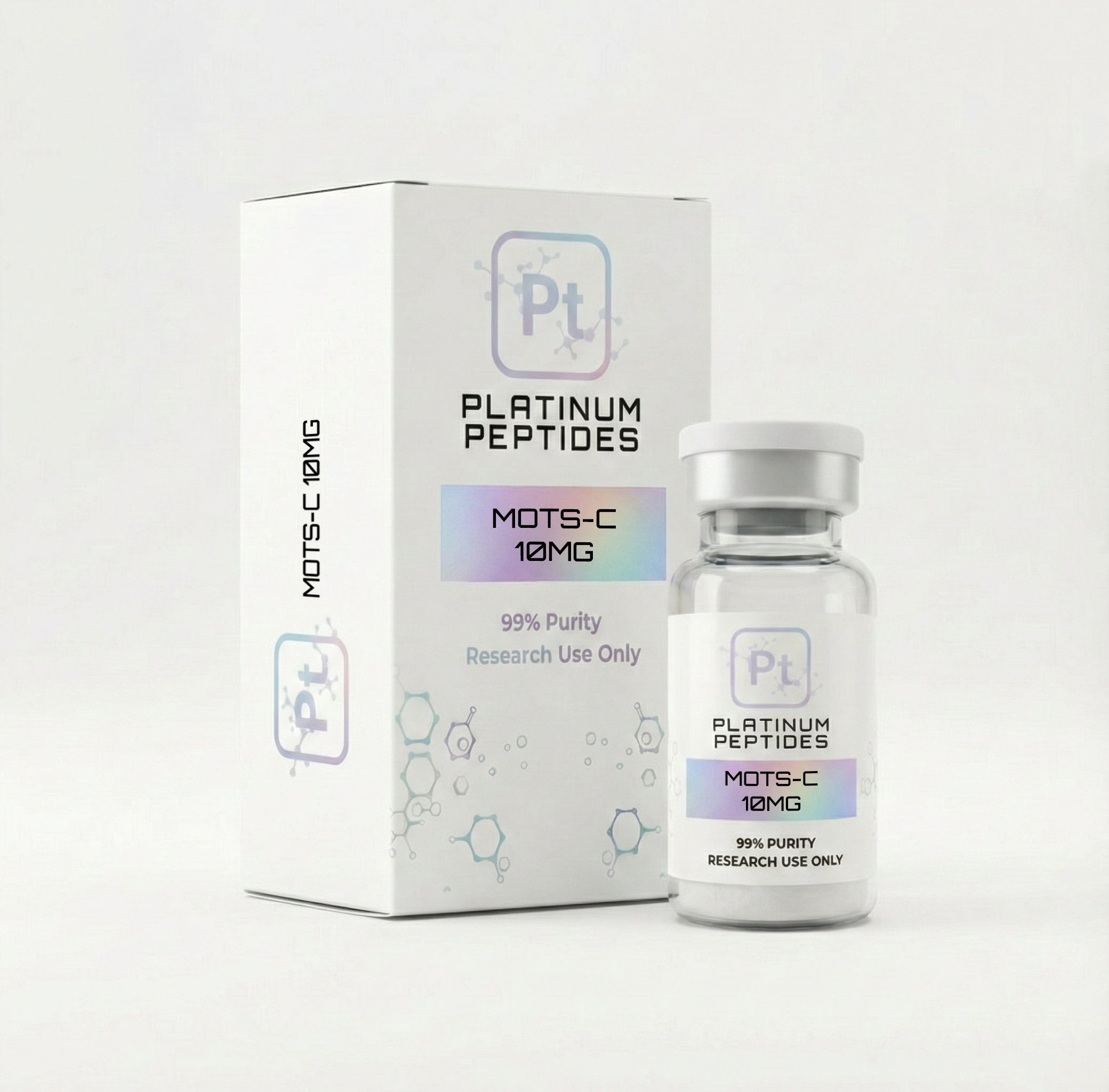
It’s often stacked with other peptides or supplements for synergy, but standalone use is common too. To really grasp why MOTS-c is exciting, let’s dive into the science. It’s a 16-amino acid peptide that’s uniquely encoded in our mitochondrial DNA (mtDNA), not the nuclear DNA like most proteins. I’ll break it down step by step, with visuals, data tables, and real anecdotes.
The research-chemical channel remains outside the law
However, supplementation at research doses may produce effects beyond normal physiological levels. Translating animal doses to human equivalents involves significant uncertainty due to differences in metabolism and bioavailability. These doses produced significant metabolic effects including improved insulin sensitivity, enhanced exercise capacity, and reduced weight gain on high-fat diets.
This article summarizes published research and community protocols. The common protocol is 5 to 15 mg a week, split into 2 or 3 shots under the skin. BD Ultra-Fine 31G 0.3cc insulin syringes — each gradation marks 1 unit, for accurate sub-50-unit MOTS-c doses.
Most available research involves a related peptide analog studied for metabolic health, not chronic fatigue. You can also visit us on Google — InCare to read reviews from patients who found real answers at our clinic. These channels share real information to help you make informed choices about your health. Our providers at InCare are trained to recognize these patterns and build a realistic care plan. This is a good example of a wellness option with more established use in supportive care.
Top MOTS-C Vendors
That makes MOTS-c more defensible when body composition is a real bottleneck and less compelling when basics already cover the same ground. That makes MOTS-c more defensible when endurance cardio is a real bottleneck and less compelling when basics already cover the same ground. That makes MOTS-c more defensible when energy is a real bottleneck and less compelling when basics already cover the same ground.
The time of day doesn’t matter necessarily, but a morning injection would allow you to take advantage of MOTS-c’s potentially energizing effects (and avoid an energy boost when you’re heading to bed). If you’re interested in MOTS-c treatment, your options are to seek in-person care at a physical clinic or to opt for a telemedical interface. But like we said, you can find pharmaceutical-grade MOTS-c; it’s just not as common as its research-grade counterpart. The researchers behind a 2026 study speculate that MOTS-c may have a tumor-protection effect, potentially allowing tumor cells to tolerate injury.51 Bear in mind, however, that this is speculation about a biologically plausible phenomenon, not anything that has been established in clinical research. In it, the researchers administered MOTS-c to mice at various life stages — young (two months old), middle-aged (12 months old), and old (22 months old) — and saw that subjects at every life stage exhibited improved physical performance in multiple tests, including those assessing motor coordination and running capacity.21 Its name is short for “mitochondrial ORF of the 12S rRNA type-C,” which refers to the peptide’s origin, as it’s derived from lengths of DNA called short open reading frames (ORFs) found in the 12S rRNA region of mitochondrial DNA.1 2
The issue was resolved, allowing the trial to continue; however, it is important to be aware of this if you are thinking about using subcutaneous peptides. You qualify as a responder if two out of three participants shift between weeks 6 and 8. The absence of a significant before-and-after moment is why it is futile to seek out MOTS-c transformation images. For women contemplating the use of MOTS-c for metabolic or bone health, the bone data related to menopause holds particular significance. Treated rats exhibited more efficient energy production in their hearts, and MOTS-c prevented weight gain in diabetic subjects without altering their food intake.
Community protocols typically respond to persistent headaches by lowering the dose; any continuous symptoms should be reviewed with a healthcare professional. Research on MOTS-c encompasses areas such as metabolic health, athletic performance, and the aging process. StepValueWhy it’s importantVial volume10 mgRepresents the initial peptide quantity contained in the vial.BAC water added1.0 mLDetermines the ultimate concentration. The calculations below utilize a 10 mg vial, as it is the most frequently used size for research-grade MOTS-c. When administering three doses weekly, include one additional vial, two extra swabs, and one more syringe each week in the totals mentioned earlier.
A mitochondrial peptide studied in metabolic research. Being recognized as an anti-doping target indicates that MOTS-c is regarded as experimental and relevant to performance rather than as an established treatment. This article serves solely for educational purposes and should not replace personalized medical guidance. The availability of products online does not guarantee their quality, legality, sterility, or safety. There is no officially recognized injection schedule for MOTS-c since no FDA-approved product comes with specified dosing.